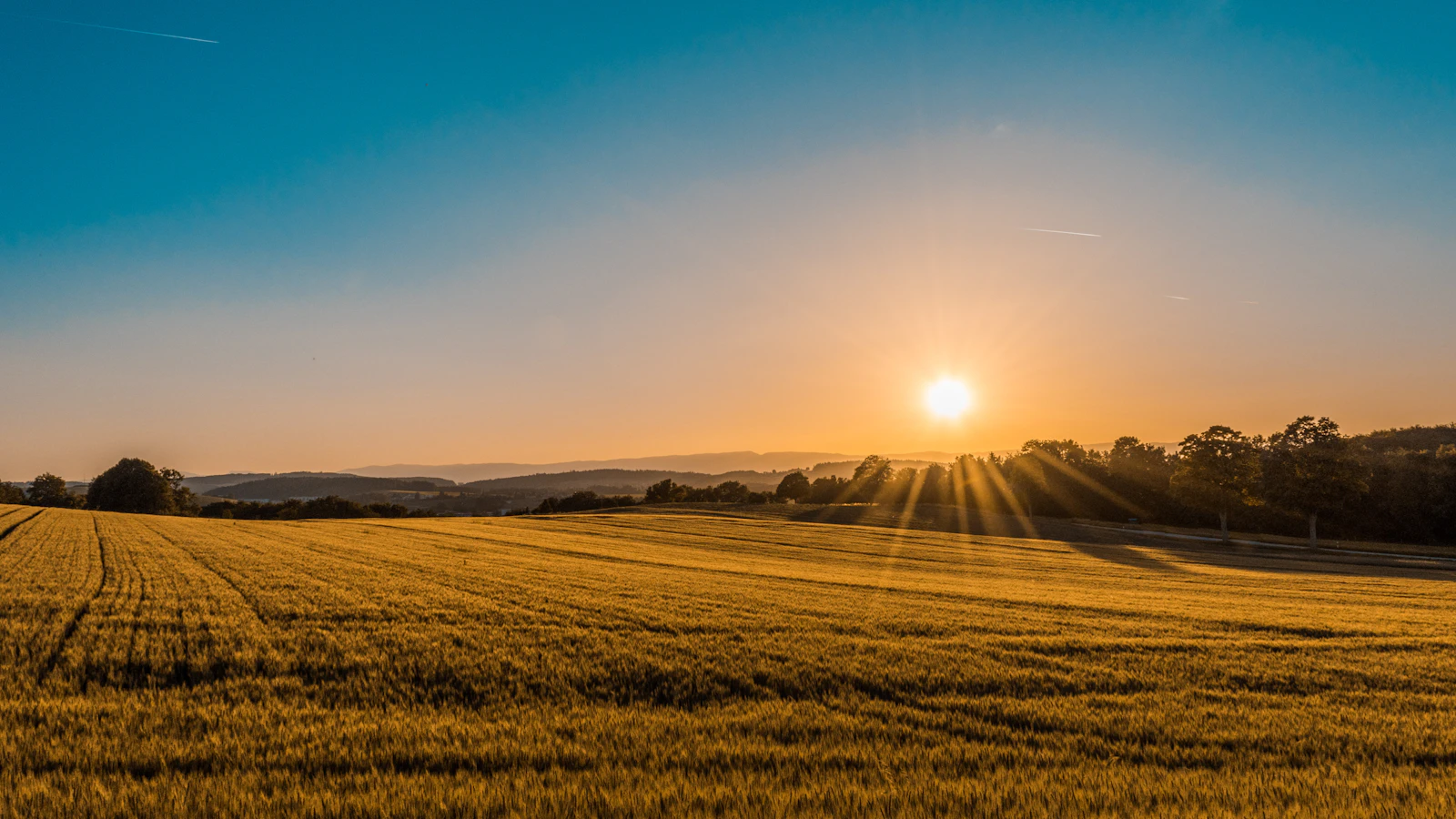
India is one of the world's largest wheat producers and consumers. With most of the crop staying home to feed the country, the balance between production, public stocks and trade policy keeps wheat prices unusually responsive to news.
Wheat is a rabi crop, harvested in spring, and Punjab is one of its heartlands. Because domestic demand is so large, even a modest shortfall in output or buffer stocks can tighten the market quickly. That is why heat waves during grain-fill, procurement totals and stock levels are watched so closely each season.
Trade policy is the wildcard. To protect domestic availability and contain food inflation, the government has at times restricted wheat exports — most notably the export ban introduced in 2022. Decisions to curb or ease exports, or to release stocks into the open market, can move prices sharply and quickly.
For feed makers, flour millers and processors, wheat is both an input and a benchmark. A vertically integrated group reads stocks, weather and policy together — using storage to hold quality grain and timing procurement to manage cost through the cycle.
Figures are indicative and drawn from widely reported public sources. This article is general commentary, not financial advice.
For procurement, supply or partnership enquiries, write to our team directly.
Email info@hailler.com →