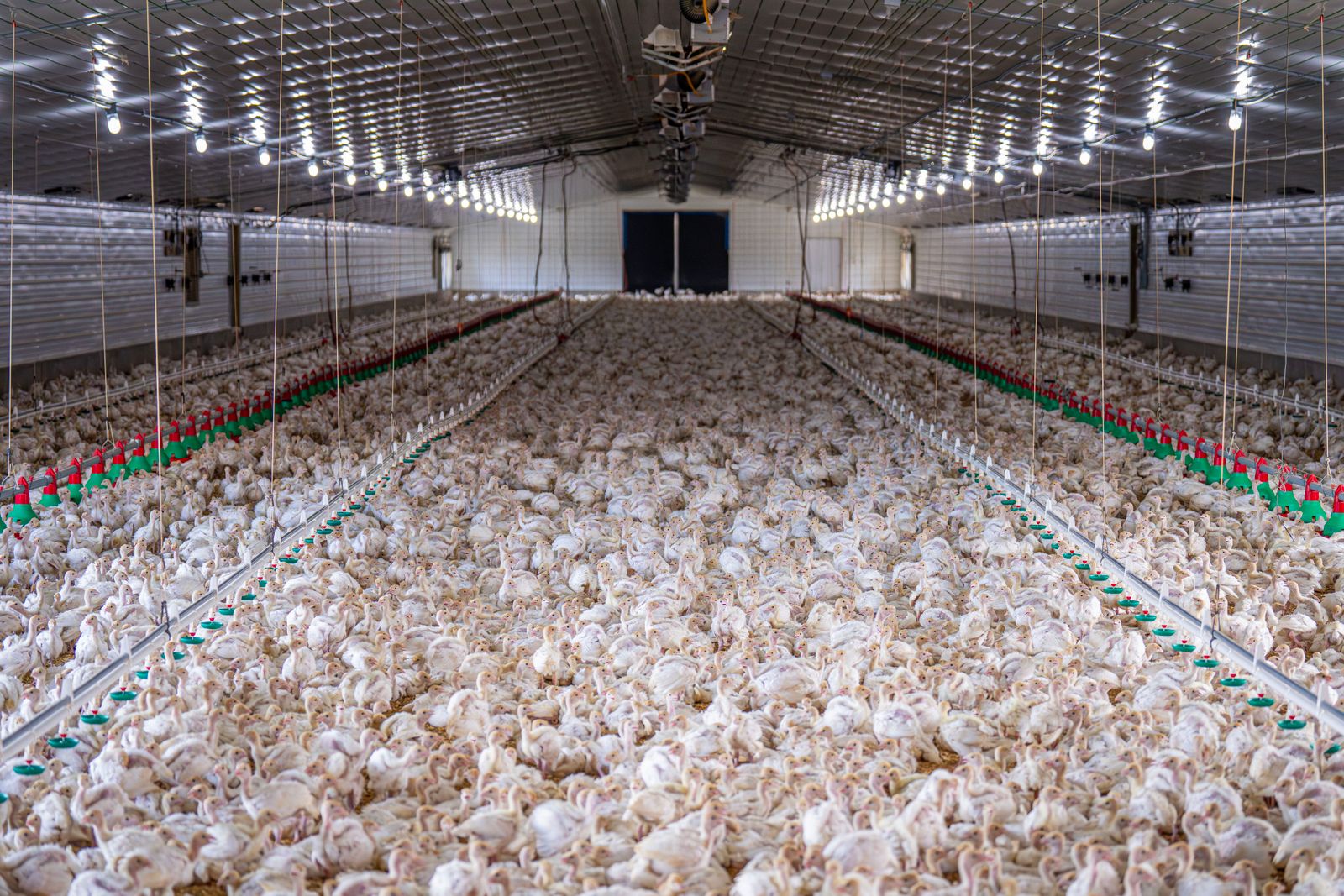
Ask a poultry producer where the money goes, and the answer is feed. Feed typically makes up the large majority of the cost of raising a bird — which means the price of maize and soymeal effectively sets the tone for the entire protein chain.
India's poultry sector has grown into one of the fastest-expanding segments of agriculture, driven by rising demand for affordable protein. But its economics are tightly geared to feed grain: when maize or soybean meal prices rise, producer margins compress quickly unless they can be passed on — which is rarely immediate.
This is exactly where an integrated model earns its keep. By manufacturing its own feed, sourcing grain directly, and storing it efficiently, a group can buffer the volatility that squeezes standalone producers. Controlling nutrition and cost together keeps bird performance and economics steadier through the cycle.
As demand for protein keeps climbing, dependable, well-fed poultry supply becomes more valuable — and more dependent on getting feed grain right. The businesses that manage the grain-to-bird link well are the ones that stay resilient when markets move.
Figures are indicative and drawn from widely reported public sources. This article is general commentary, not financial advice.
For supply, partnership or trade enquiries, write to our team directly.
Email info@hailler.com →